A presence that expands quietly
I have spent time reading the margins of racing stories, where the engines are loud and the human details live in the wings. There is something about observing from those edges that sharpens what you notice. In the case of Stevie R Waltrip, what I see is not a parade of headlines but a pattern of small, deliberate acts that add up to stewardship. She is the kind of person whose influence reads like a seam running through a long life together: almost invisible but essential to keeping the fabric whole.
When a public life is measured by wins and broadcast moments, the companion who keeps the household steady is often a footnote. I do not mean to reduce someone to a domestic role. Rather, I want to describe how a public career and private constancy form a two part engine. The visible half makes noise. The less visible half keeps the rhythm true. That is the story I find compelling.
Life beside a public figure
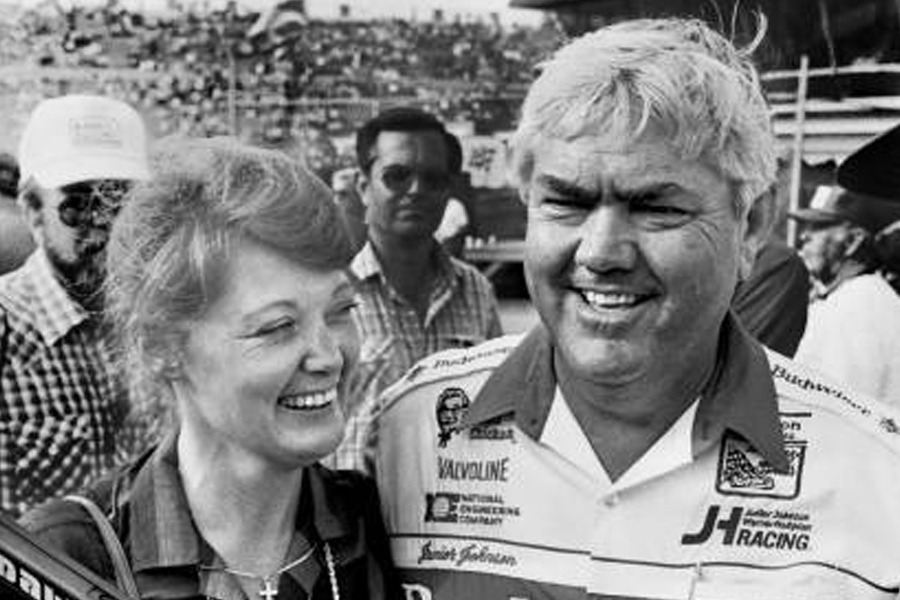
Darrell Waltrip has been one of stock car racing’s most recognizable faces. Living next to fame is not always dramatic. It is daily. It is a schedule of departures and arrivals. It is press rooms and bus seats and long silences after the cameras stop rolling. I think about the discipline required to hold a normal life in that context. Stevie R Waltrip did not invent that discipline, but she practiced it for decades.
Marriage in the glare invites many small tests. I imagine the triangular negotiations between two peoples, their children, and the public expectation. In my reading, faith became a visible anchor for the family early on. Faith can be a lighthouse or a lens. To them it has functioned as both. That shared center allowed public gestures to double as private meanings. Charity events, quiet conversations with fans, prayers in a hotel room; all these moments accumulate. They do not make news. They shape temperament.
The craft of presence
If I could name a craft for being present, it would combine steadiness, timing, and the ability to listen when nobody else is talking. Presence is a muscle. It is trained. In high tension situations, the simplest gestures carry the heaviest weight: a hand on a shoulder, a quiet word before a broadcast, an ordinary meal after a long day. These are not ceremonial. They are functional. They are the oil that keeps a complicated life running.
I find it interesting how presence works in public spaces. At a hall of fame ceremony the spotlight sits on achievements. In the same room a glance exchanged in the audience can tell a deeper story. That glance signals history, endurance, and often private agreement. To write the life of someone like Stevie R Waltrip only in lists of events is to miss the geometry of those private conversations.
Family rhythms and the next generation
Family life in a racing dynasty is not the same as family life elsewhere. The tempo is different, but the fundamentals are the same. I think about how two daughters grow up with engines in the background and cameras in the foreground, and how a steady home can make that upbringing feel ordinary. Ordinary is a gift. It is also a form of resistance against the centrifugal pull of celebrity.
Extended family relations complicate and enrich that rhythm. One sibling is on public stages. Another sibling roots things in a different pattern. These overlapping roles produce a kind of compressed family drama that the public sees as spectacle, but the people inside experience as everyday living. Watching that compression from a distance, I appreciate how much negotiation and compromise it must require.
Faith as practice and public posture
Faith is often described as private, yet when it becomes public it takes on different shapes. It is no longer only a matter of belief. It becomes a practice that people can see and replicate. For the Waltrip household, faith functions as both shelter and megaphone. It protects, soothes, and also communicates values to a broader community. I notice how spiritual commitments can be channeled into outreach, into small acts at tracks and larger gestures at community events.
What intrigues me is how faith work and fan culture intersect. Racing fans bring devotion of their own. When faith enters the picture it creates another axis of identity. That combination can be a source of strength. It can also invite scrutiny. Navigating that duality requires attention and care.
The work that is not recorded in headlines
Not all labor is visible. Many of the most consequential efforts in a public life are logistical and emotional, not award winning. Coordinating visits, managing schedules, keeping family priorities intact, and stepping into public moments with composure are all forms of work. These are the things that sustain careers and relationships.
I like to think of it as backstage choreography. The audience sees a polished performance. They do not see the dozens of small adjustments that made the performance possible. Those adjustments matter more over years than any single public highlight. They are the cumulative force that turns a long marriage into something that can be called durable.
Roots, region, and a sense of place
Place shapes people. A life lived long in one region folds local customs into daily behavior. I have noticed how communities respond to long standing presences. The family associated with a particular town becomes part of the town story. That mutual recognition is a soft kind of legacy. It does not always make the national press, but it makes a lasting imprint on local memory.
FAQ
Who is Stevie R Waltrip and why does she matter in racing circles?
Stevie R Waltrip is widely recognized as the longtime spouse of a prominent racer. She matters because she helped shape the private infrastructure that allowed a public career to flourish. That infrastructure is both practical and emotional. It supports routines, models values, and translates private commitments into gestures the broader community can see.
What role has faith played in their family life?
Faith has been a recurring theme. It provides an interpretive frame for choices, public engagement, and outreach. In practice it appears as volunteer work, conversations with fans, and a personal posture that shows up in both quiet moments and public events.
Has Stevie had a public career independent of the family?
Not in the sense of a separate, widely documented professional path. Her contributions show up in relational and organizational work. These are forms of labor that are rarely quantified but are essential to sustaining a public life.
How does family life balance with the demands of public attention?
Balancing is a continual exercise. It requires boundaries, routines, and agreements about what to share and what to keep private. That sort of balance is often negotiated day by day, not declared once and done.