Takeaways
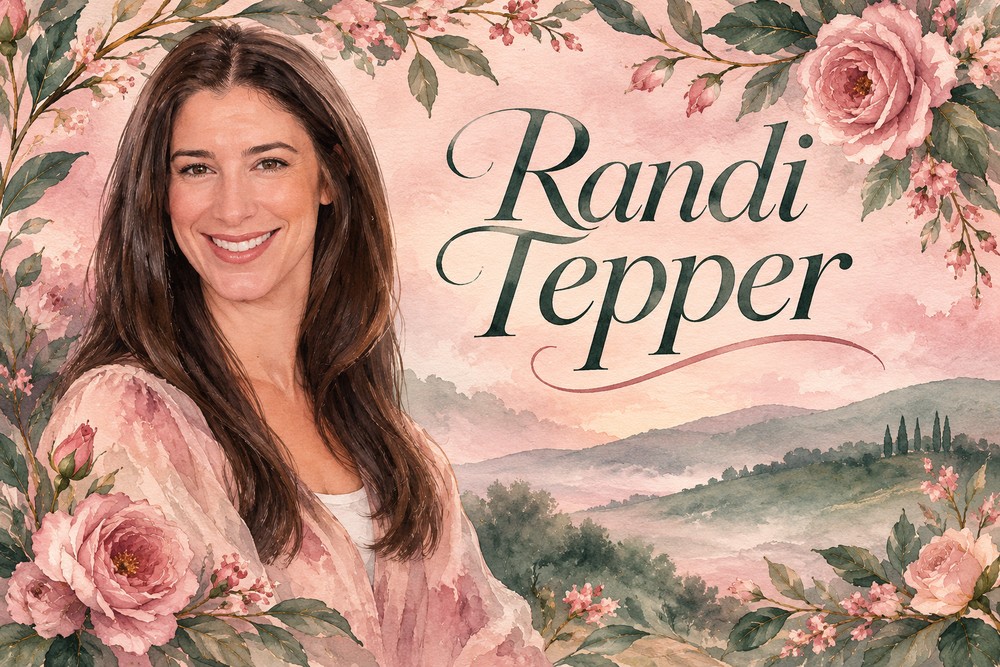
Randi Tepper’s career brings together education, nonprofit operations and philanthropy. Her professional path, as summarized in the profile of Randi Tepper, moves from classroom experience to education technology, pandemic relief and foundation leadership. That sequence helps explain why her work is often described in practical terms: grantmaking depends on understanding needs, setting priorities and building systems that can deliver resources responsibly. The foundation’s public materials provide a useful reference point for its stated priorities and programs.
Education as a starting point
Tepper is reported to have studied political science at Emory University and later earned a master’s degree in education from the Relay Graduate School of Education. Early work as an educator in a nonprofit school gave her direct experience with the people and institutions affected by education policy. Such experience does not make a person an expert in every aspect of schooling, but it can make the distance between a policy decision and a student’s daily life easier to see. It also offers a grounding in how schools operate amid constraints on time, staffing and resources.
Her subsequent work at Zearn, an education technology organization, represented a move from direct service toward tools designed for broader use. The shift from classroom to platform can involve very different questions: how teachers adopt a resource, how students interact with it and how organizations learn whether a tool is useful. The profile also connects her to Teach For America. Together, those experiences suggest a career shaped by education from several angles—teaching, program work and organizational scale—rather than by a single job title.
This early combination of frontline and administrative work matters in philanthropy. Funders often have to decide whether to support a specific service, a policy effort or the infrastructure that allows an organization to function. A perspective informed by schools can help make those decisions more grounded, although good grantmaking still requires listening to educators and communities rather than assuming that a funder already knows the answer.
Responding to an emergency
In 2020, Tepper became chief operating officer of the New Jersey Pandemic Relief Fund, according to the supplied biography. Emergency philanthropy has a difficult balance to strike. Organizations need money quickly, but funders also need clear criteria, safeguards and a way to understand who is being reached. The profile says her work included designing grant evaluation processes. That kind of operational task may be less visible than a public announcement, yet it shapes how quickly applicants receive decisions and whether funds are directed toward pressing needs.
The pandemic also made existing inequalities harder to ignore. Schools, food programs and community organizations faced disruptions at the same time that families needed more support. A relief fund can help respond to immediate needs, but short-term giving cannot substitute for durable public systems. The distinction between emergency action and long-term investment is central to understanding philanthropic leadership. It requires funders to respond to urgent conditions while asking what will help communities remain resilient after the crisis has passed.
Leading a foundation
Tepper is identified as chief executive of The Tepper Foundation. Its public-facing work is described around access to education, food security and community safety and resilience. Those areas touch both individual experience and structural conditions. A grant might support a local service organization, a policy initiative or collaboration among organizations. The foundation’s own overview at The Tepper Foundation is the best place to confirm its current priorities and initiatives, since funding programs can change over time.
The profile reports that annual giving had grown to nearly $90 million under her leadership. That figure describes foundation grantmaking rather than Tepper’s personal wealth. Maintaining a grantmaking operation at that scale entails more than distributing money: staff must assess proposals, monitor commitments, learn from results and communicate with organizations working in different settings. Growth can expand reach, but it also increases the importance of a clear strategy and the capacity to make thoughtful decisions.
She is also reported to serve on the board of Blue Meridian Partners, a collaborative funding organization. Collective philanthropy can pool capital and coordinate attention around social challenges that no single donor can address alone. It also calls for accountability: partners need to understand how decisions are made, whose expertise informs them and what counts as progress. Board service connects foundation leadership to a wider ecosystem of funders and nonprofit leaders.
Priorities in practice
The biography describes an op-ed Tepper wrote in 2024 advocating for a stronger food aid system in New Jersey. It also reports a 2025 foundation commitment of $8.75 million to the Jewish Federations of North America for security at Jewish children’s programs and interfaith outreach. These are examples of the foundation’s public work as reported by the profile; readers should consult the organizations’ own announcements for the latest details. Taken together, the examples reflect an approach that spans basic needs, community safety and relationships across communities.
Food insecurity is not only a question of whether food exists. Access can depend on household income, transportation, local supply and the design of public benefits. Education likewise involves more than classroom materials: children’s ability to learn is affected by stability, health and support outside school. Community safety can include immediate protection as well as trust and connection. These issues are linked, so grantmakers often work with organizations that address a range of needs rather than fitting neatly into one category.
Leadership and limits
Philanthropic leaders operate in a space where private decisions can influence public priorities. The resources can help test ideas and support work that public budgets do not easily reach. At the same time, funders should be transparent about their goals and attentive to the expertise of people closest to the issues. Grantmaking is most useful when communities help define the problem, not only when they are asked to apply for a solution already selected.
Tepper’s career, as presented in the available account, follows a progression from education into operations and strategic giving. The connective thread is an interest in how institutions can serve people more effectively. Her influence is best understood through the foundation’s documented work and the organizations it supports, not assumptions about private life or family wealth. That focus keeps attention on the public responsibilities of the role: making sound choices, building capable teams and supporting work that can improve people’s access to opportunity and security.


